

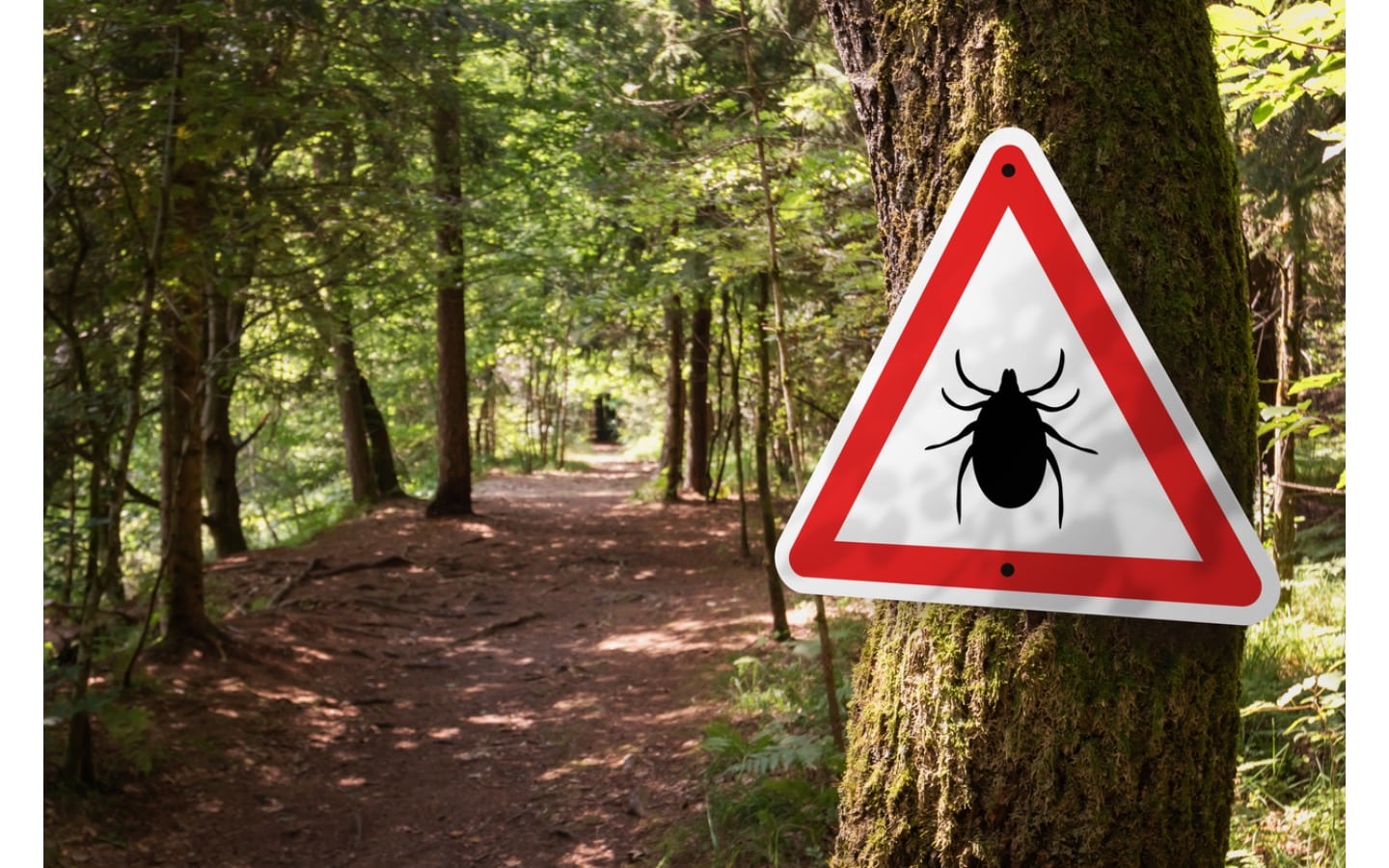
Lyme Disease Safety
Ticks in the Northeast have become an increasingly concerning topic in recent years.
With warmer weather, tick season is no longer limited to spring and summer. It is now essentially year-round, with nymphs being most active from May through late August. Adult ticks are most prevalent in early spring, from March through mid-May, and again from mid-August through November. Yes, November!
You might think you are safe from ticks in December, January, and February in the Northeast. However, if temperatures rise above freezing, ticks will be active. Unfortunately, there is really no month of the year when there is absolutely no risk of tick exposure.
So, let’s talk about the most common ticks found in the Northeast.
The three most common species are:
- Black-legged tick (deer tick) — known for transmitting Lyme disease.
- American dog tick — can transmit Rocky Mountain spotted fever and tularemia.
- Lone Star tick — can cause alpha-gal syndrome, an allergy to red meat and sometimes dairy products.
All three are small, with nymphs typically about the size of a poppy seed and adults only slightly larger.
Each species has distinctive characteristics. The Lone Star tick has a small white dot on its back. The black-legged tick is dark brown to black. The American dog tick is brown and slightly larger than the other two species.
Prevention
The best way to prevent ticks from attaching to you is to wear clothing that covers as much skin as possible, with pants tucked into your socks. Clothing should be treated with 0.5% permethrin.
Permethrin is toxic to cats when wet, so avoid spraying it near them. However, once the spray has dried on clothing, it is considered safe for our feline friends. Dogs are generally not affected by permethrin, which is commonly used in flea and tick treatments for dogs. You should also avoid spraying permethrin near bodies of water, as it is toxic to fish and other aquatic life.
Once dry, permethrin-treated clothing can remain effective for weeks and through several washings.
For additional protection:
- Apply tick repellents containing DEET directly to exposed skin.
- Avoid walking through tall grass and stay on marked paths or trails.
- Remove your clothing and perform a thorough tick check as soon as you come indoors.
If you find a tick attached to your skin, don’t panic. Timing is important, and finding the tick while it is still attached is actually a good thing. Remove it carefully with fine-tipped tweezers by pulling straight upward with steady pressure. Do not twist or jerk the tick.
After removing the tick, disinfect the area with rubbing alcohol or wash it thoroughly with soap and water.
Removing a tick within 24 to 48 hours greatly reduces the risk of Lyme disease. However, alpha-gal syndrome is different and may be triggered soon after a bite from a Lone Star tick.
If you notice a bull’s-eye rash anywhere on your body, see a doctor immediately so you can be evaluated and begin treatment as soon as possible.
If you develop flu-like symptoms—such as extreme fatigue, fever, feeling generally unwell, or achy joints—and you know you have been in an area where ticks are common, see your doctor even if you never found a tick or developed a bull’s-eye rash.
You can still enjoy the outdoors, but it is important to stay vigilant and practice good tick prevention.
By Aubin Sullivan