

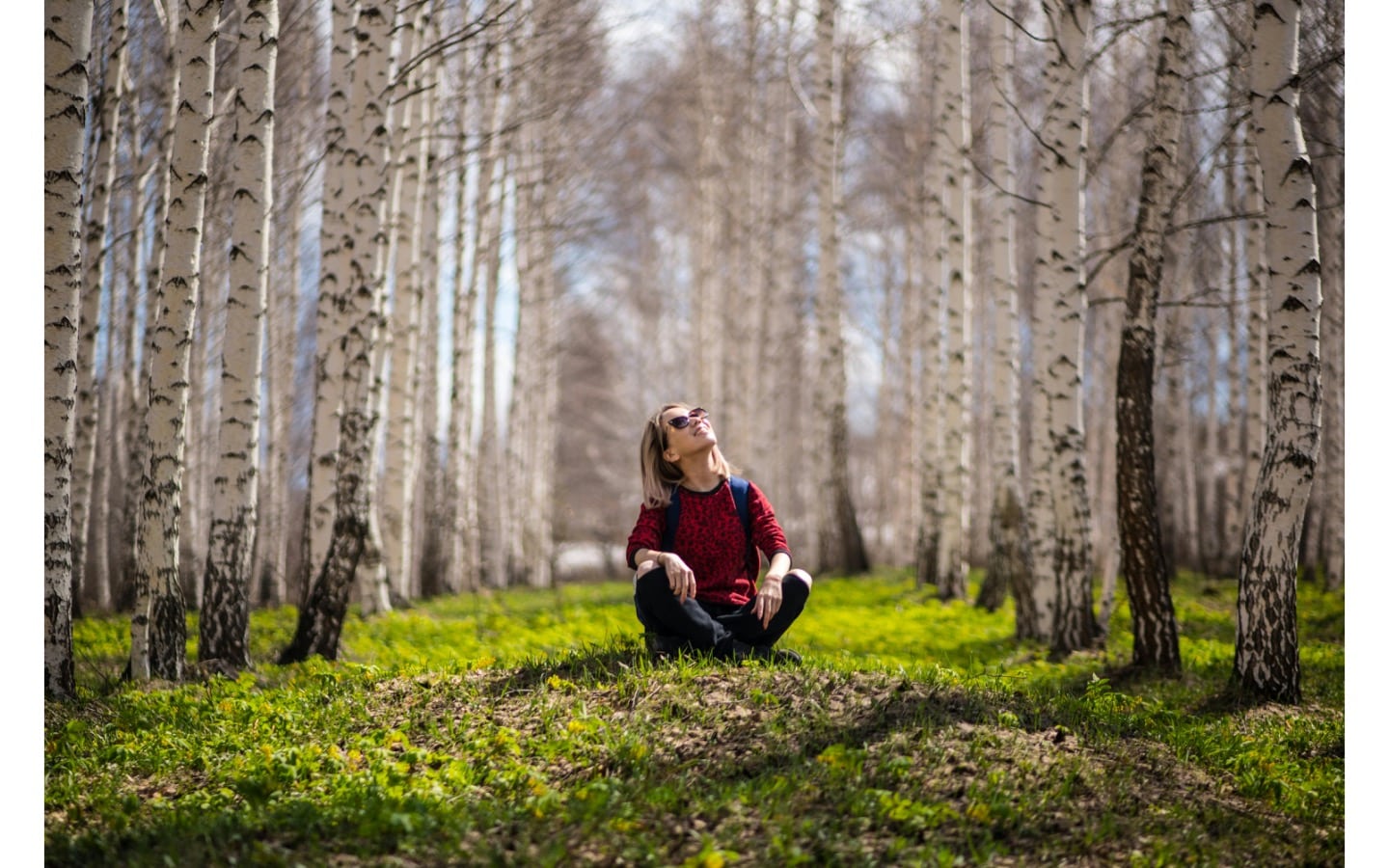
Forest Bathing
The term Forest Bathing was coined in Japan in the 1980s (1), but conveys a generations-old concept: the restorative experience of mindful time spent in nature. Medical and psychological research consistently reveal positive effects of exposure to nature. So as the weather gets warmer, even if you are early in your physical therapy journey toward higher-intensity outdoor exercise, consider just spending some time surrounded by green space. Here are a few of the more recent findings in support of forest bathing:
Time spent sitting or walking in a forest yields significantly lower physiological indicators of stress than the same amount of time in an urban setting (2). A 2010 study conducted across 24 forests in Japan found lower cortisol levels, lower pulse rate, lower blood pressure, and lower sympathetic (stress-associated) nervous system activity in subjects taken to a forest than in those same subjects taken to an urban outdoor environment either the week before or after.
Time near trees adding up to 2 hours per week is enough to make you (statistically) happier and healthier. A 2019 survey of more than 19,000 people across England found a significant increase in self-reported physical and mental health in individuals reporting they spent at least 120 minutes total (not necessarily consecutive) in nature per week(3). Where previous research measured the proximity of subjects’ homes to green spaces, this large-sample study used only ‘forest bathtime’ as a variable, so the results were not as confounded by socioeconomic determinants of health.
Mindfully connecting to the outdoors—even by watching a nature documentary—can improve well-being and motivation to care for yourself AND the planet. A 2020 study published in the Journal of Environmental Psychology backed up the above survey’s conclusion that living near nature was not as important as consistently spending time there(4). This study also revealed that connecting in nature correlated with more pro-environmental behavior geared toward both personal health and household maintenance (like reducing consumption of products containing harmful chemicals, lowering your household’s carbon footprint, etc.); these behaviors were also increased in subjects who watched nature-themed documentaries, without necessarily even being outside.
If you have the option to exercise outside, it could boost the benefits. A review in 2011 found outdoor exercise was associated with greater reported satisfaction, engagement, and intent to repeat the activity(5). Outdoor exercisers also reported more energy and decreased tension and depression. However, quantitative evidence of increased physical health from an outdoor vs indoor workout could not yet be confirmed.
Now that you know the benefits, find your favorite forest, meadow, or park bench and soak them in! Remember to use sufficient sun protection, tick precautions (outlined in a separate article in Health Source), and pay attention to extreme weather and air quality alerts.
By Joanna Binney