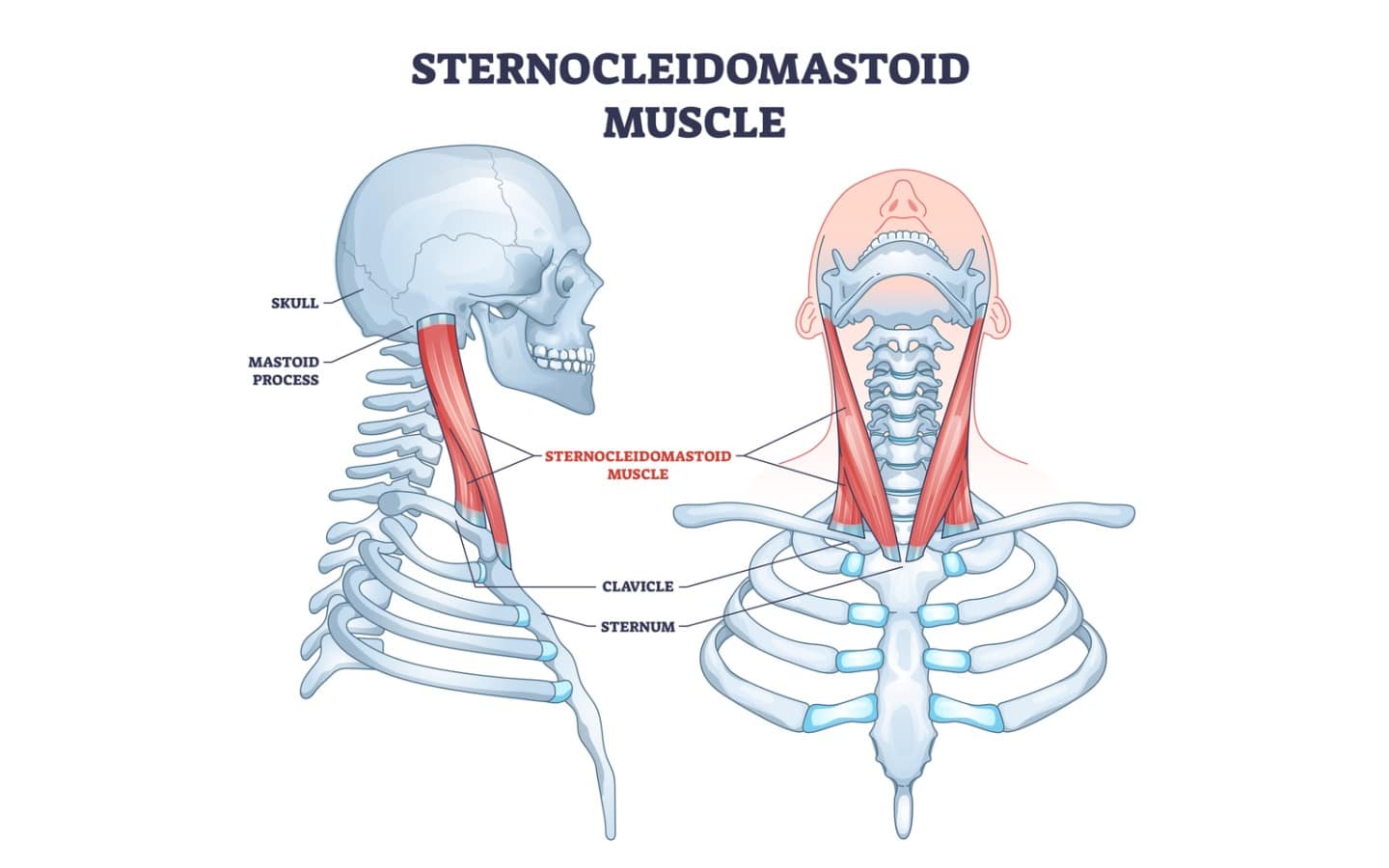
SCM: Small Muscle, Big Impact
Your sternocleidomastoid (SCM) muscles are not likely targets at the gym. You may not even have heard of them, but they serve a critical role in your neck and upper...



Your sternocleidomastoid (SCM) muscles are not likely targets at the gym. You may not even have heard of them, but they serve a critical role in your neck and upper...
Peptides are short chains of amino acids that serve as the building blocks of proteins. They act as signaling molecules, helping regulate important biological processes such as metabolism, immune function,...
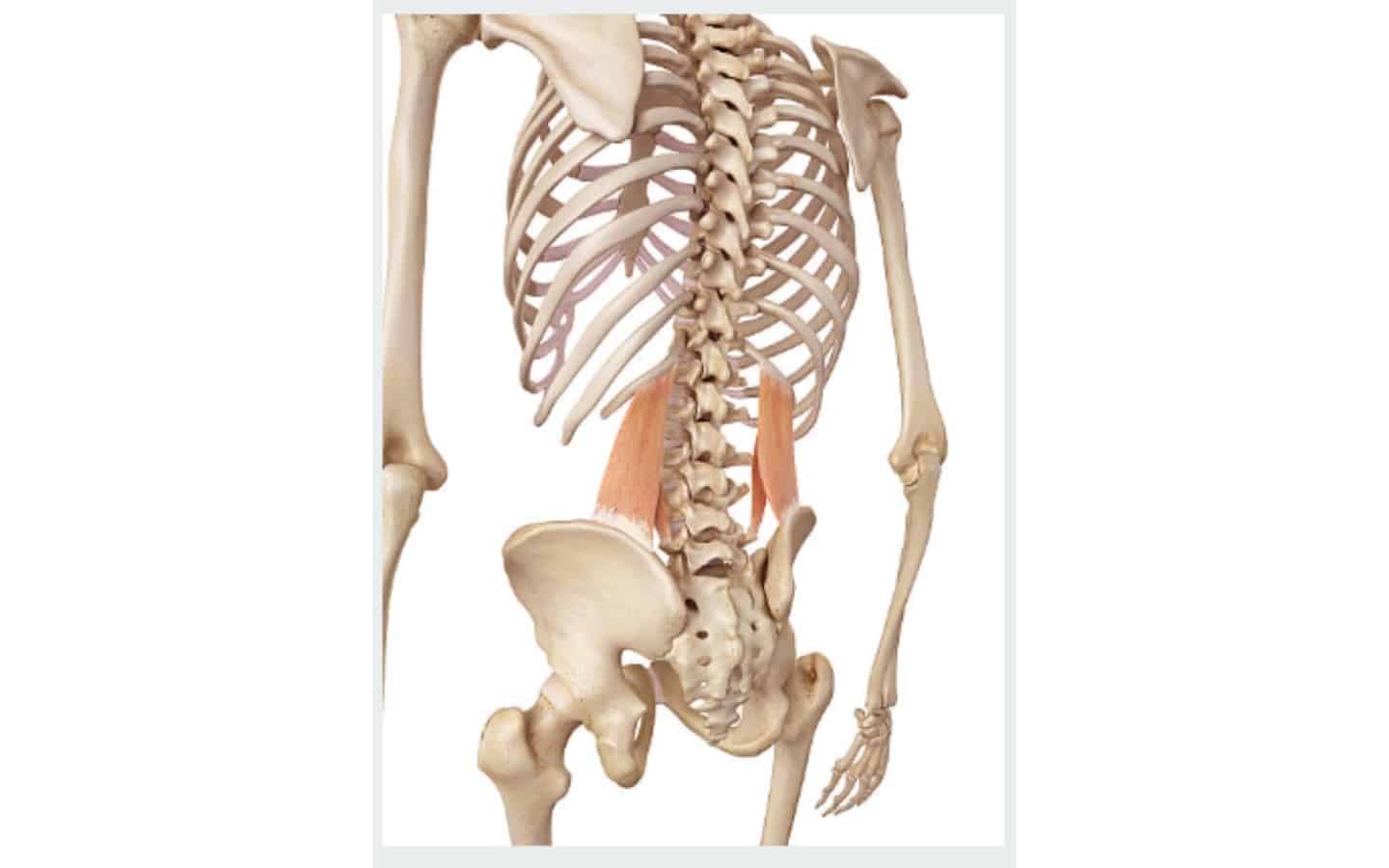
If you've never thought about your quadratus lumborum muscle, you're not alone. However, this muscle's length, tension, and activation can significantly impact your mobility and strength. First, to locate your quadratus lumborum muscle in...
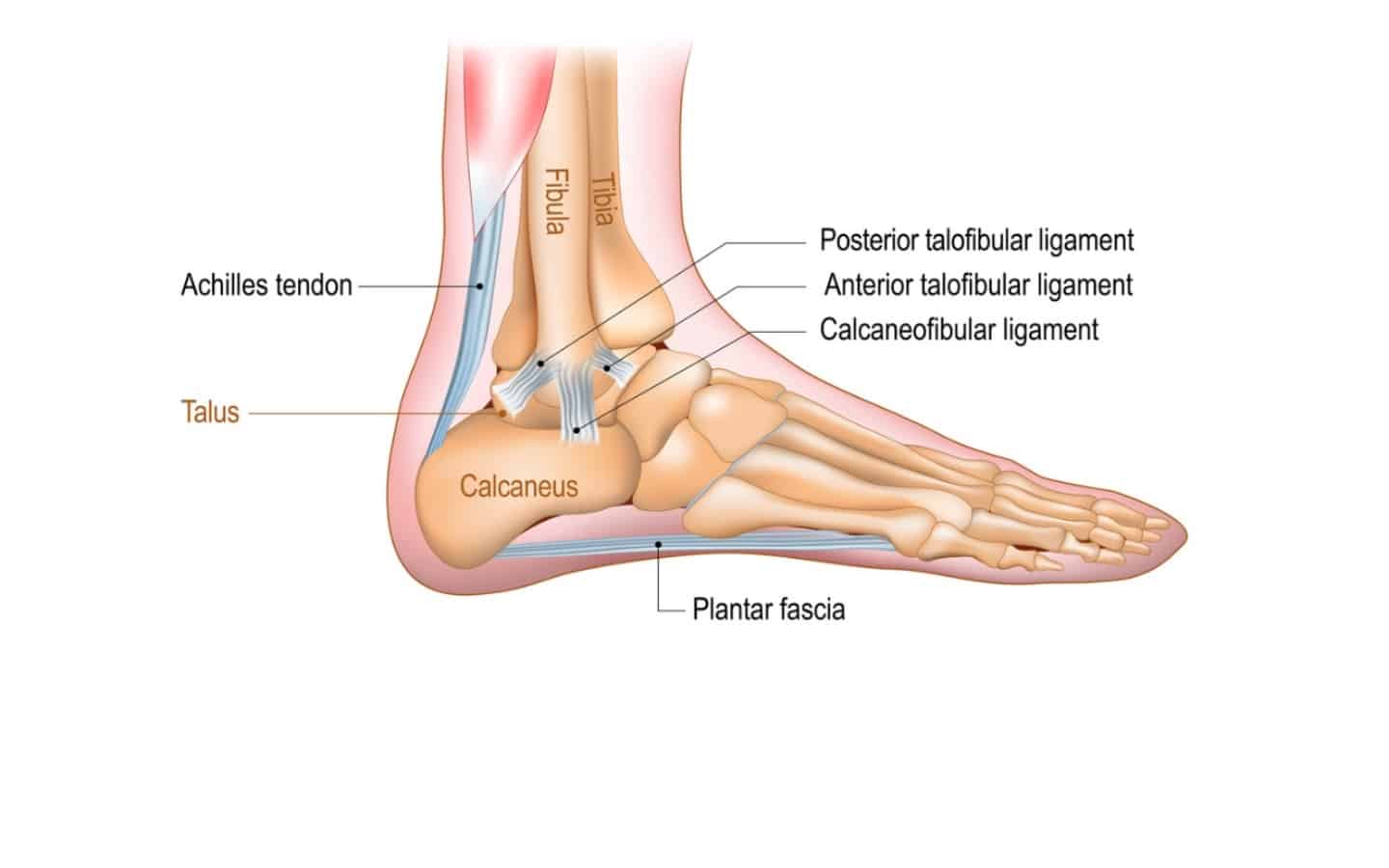
The ankle joint consists of three bones: the tibia (the main shin bone), the fibula (the second shin bone), and the talus (the dome underneath). There are many ligaments and muscles that add stability...
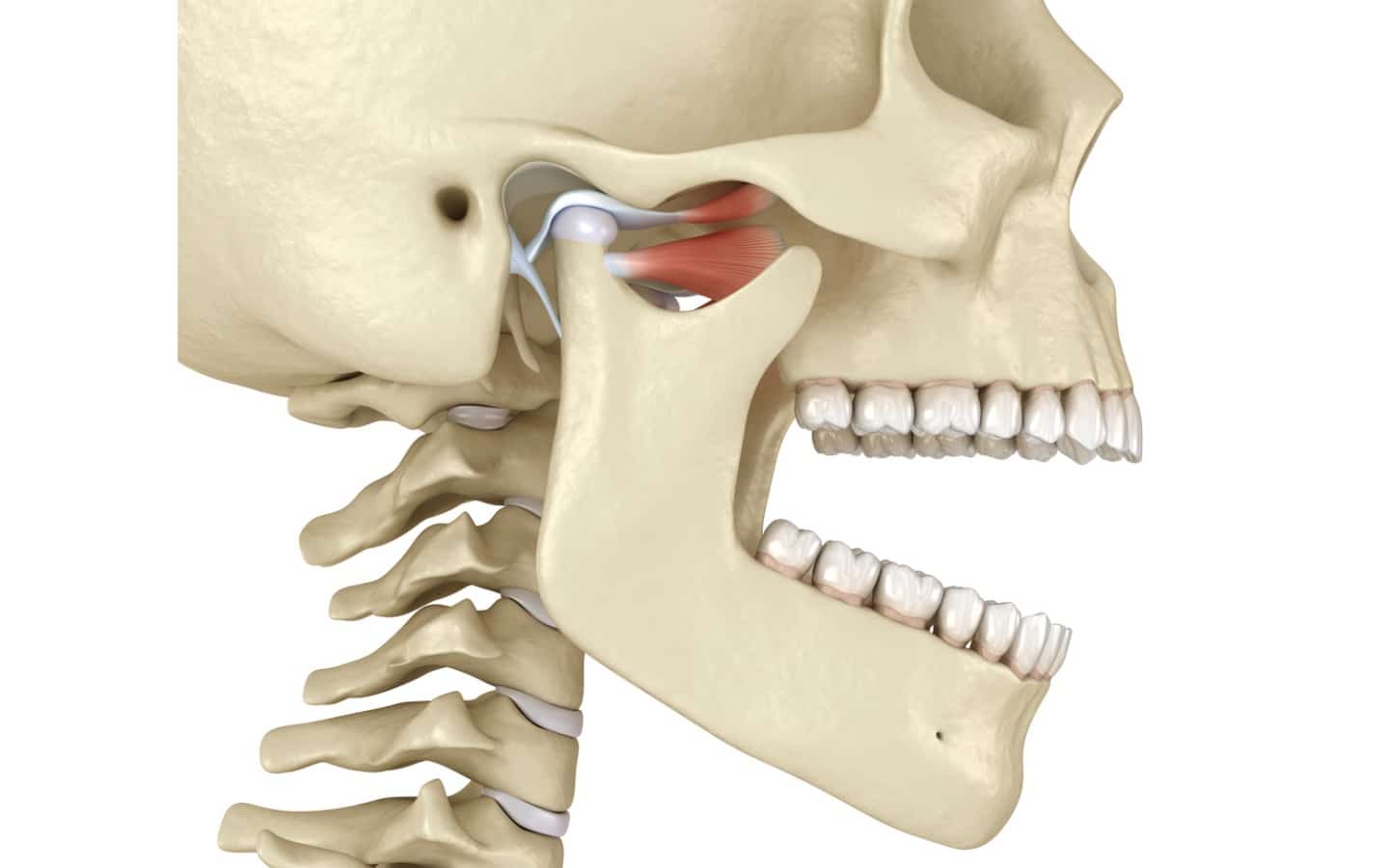
The Temporomandibular Joint The temporomandibular joint (TMJ) is the hinge that connects your lower jaw (mandible) to your skull, right in front of your ears. The TMJ functions as a hinge...
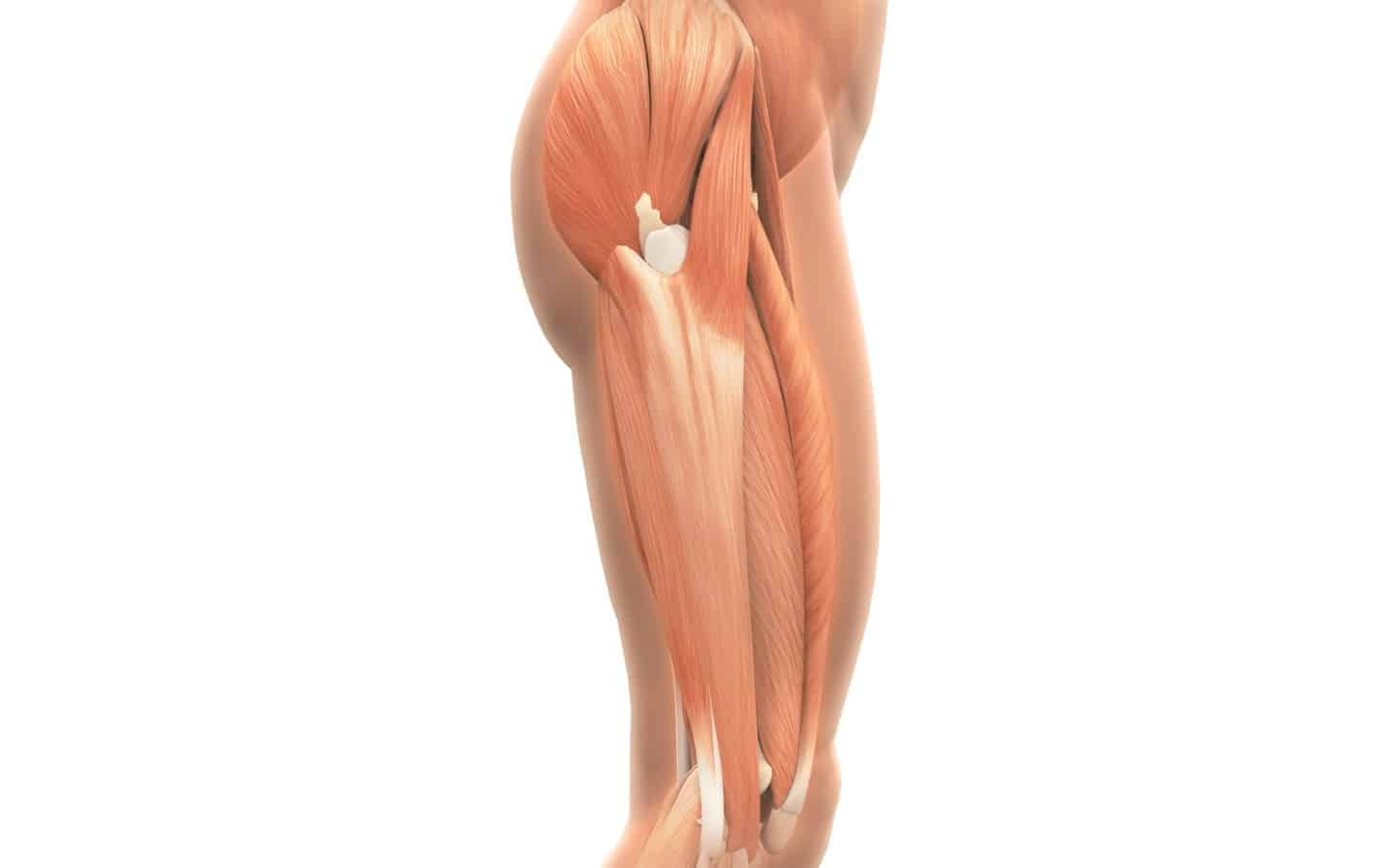
The iliotibial band is a band of fascia, made up of thick connective tissue containing collagen and a little bit of elastin. The collagen fibers are very strong, making the...
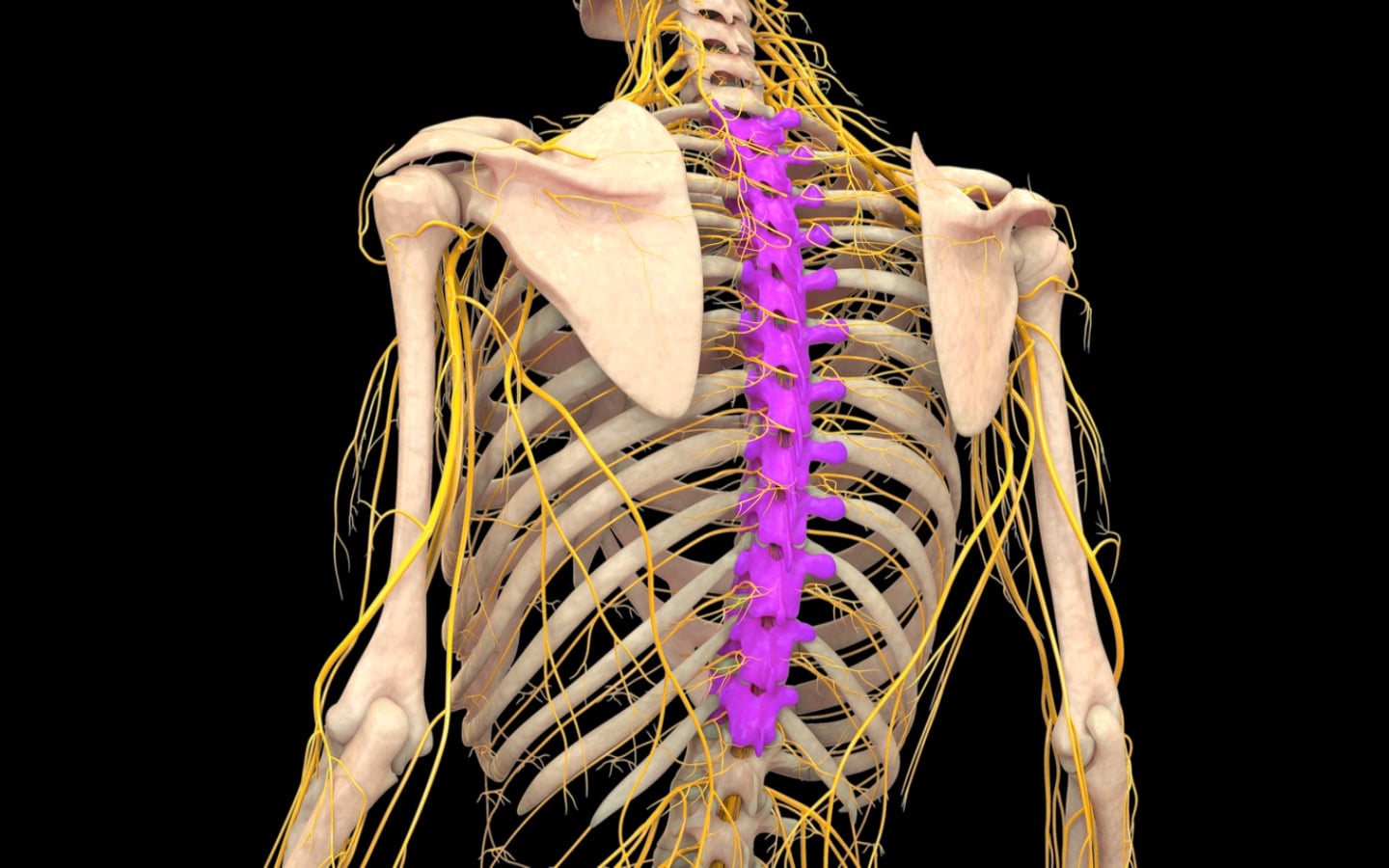
The majority of spine-related issues addressed in physical therapy are either low back (>53%) or neck (>27%) related (1). However, that doesn’t mean the rest of your spine, the thoracic spinal segments,...
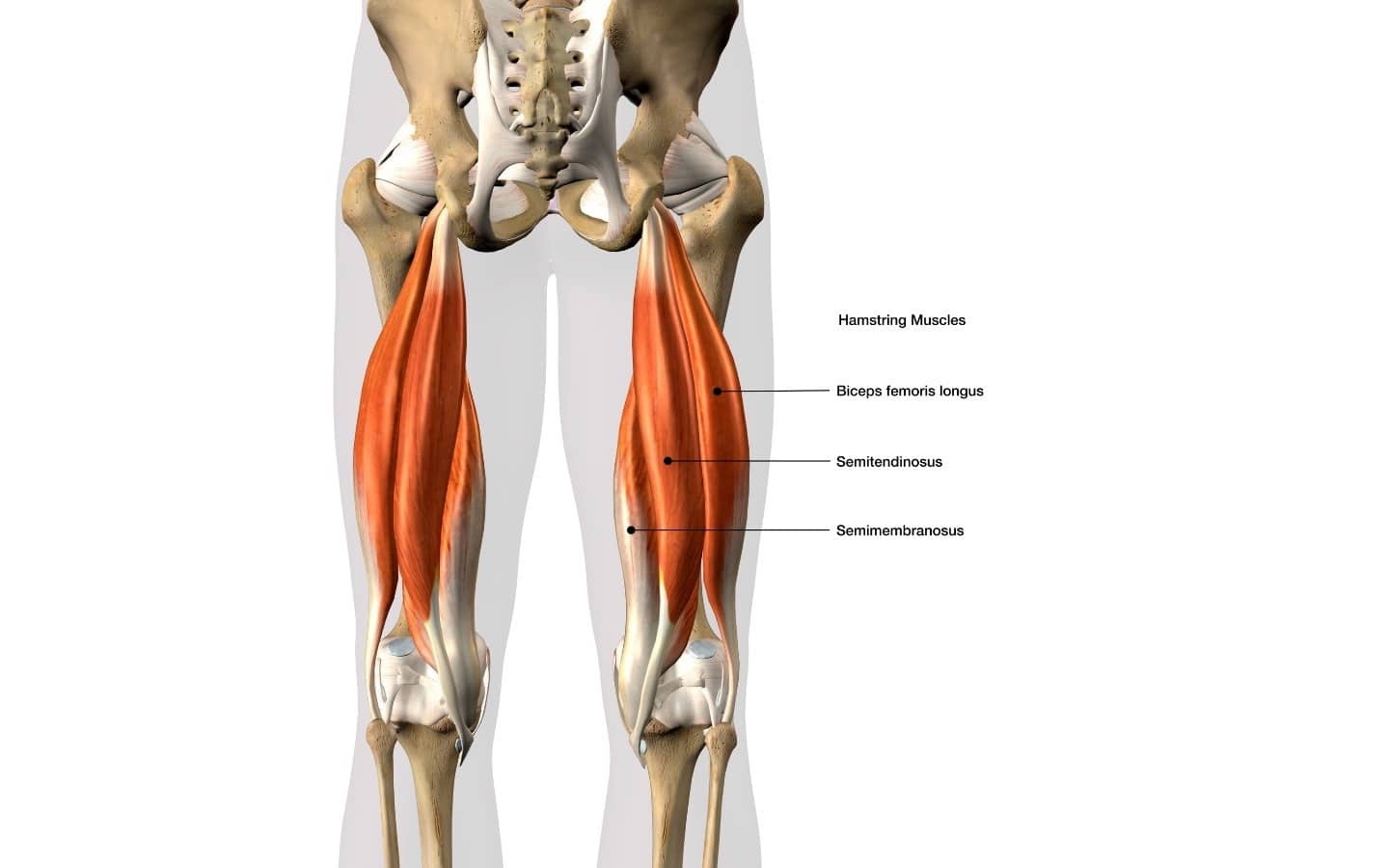
The hamstrings are a powerful group of three muscles located at the back of the thigh. Their primary functions include flexing (bending) the knee and assisting with hip extension. Additionally,...
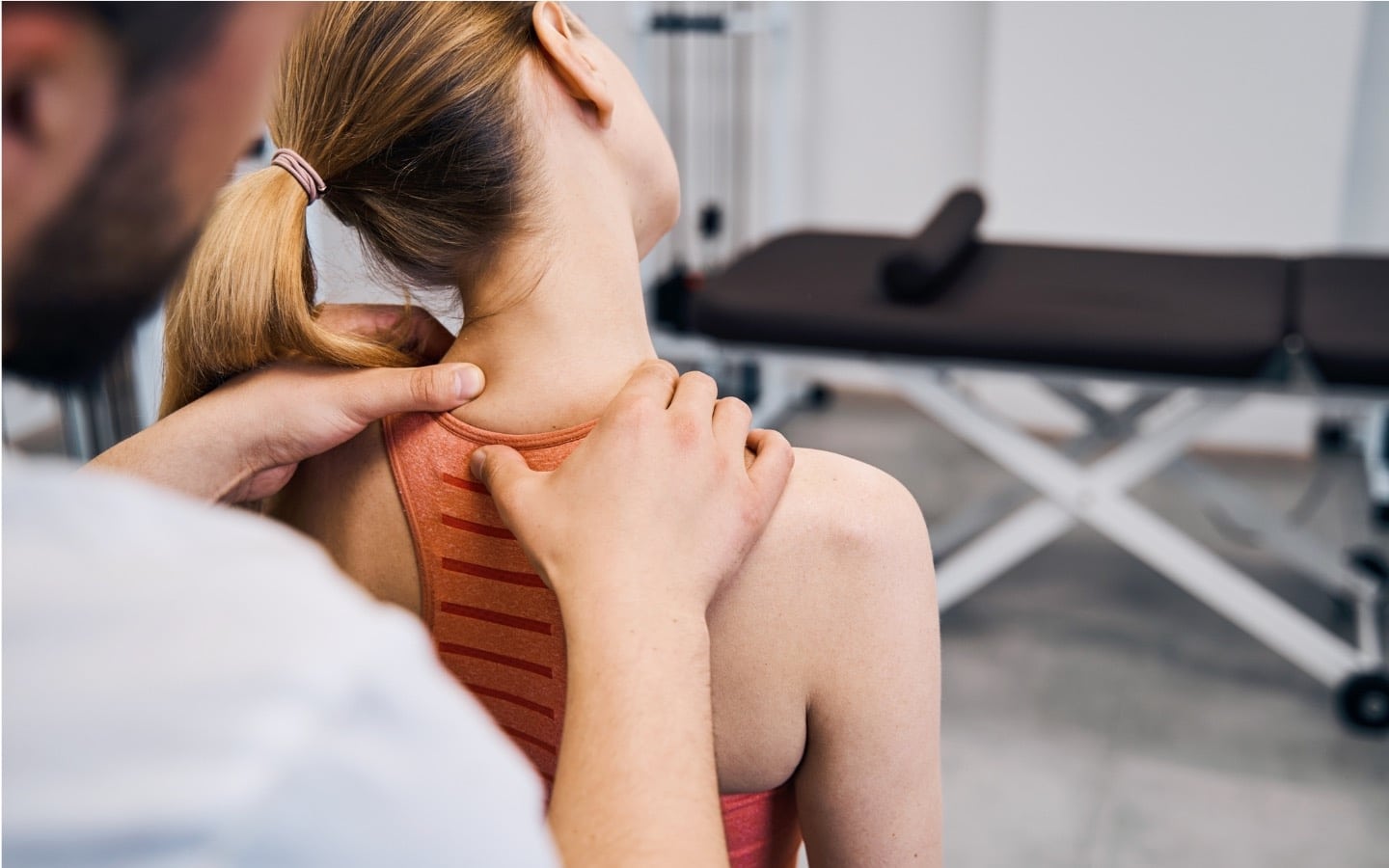
Neck pain is one of the most common complaints among our adult patients, and it is also a very prevalent ‘side-complaint’ from patients who are in PT to address an...
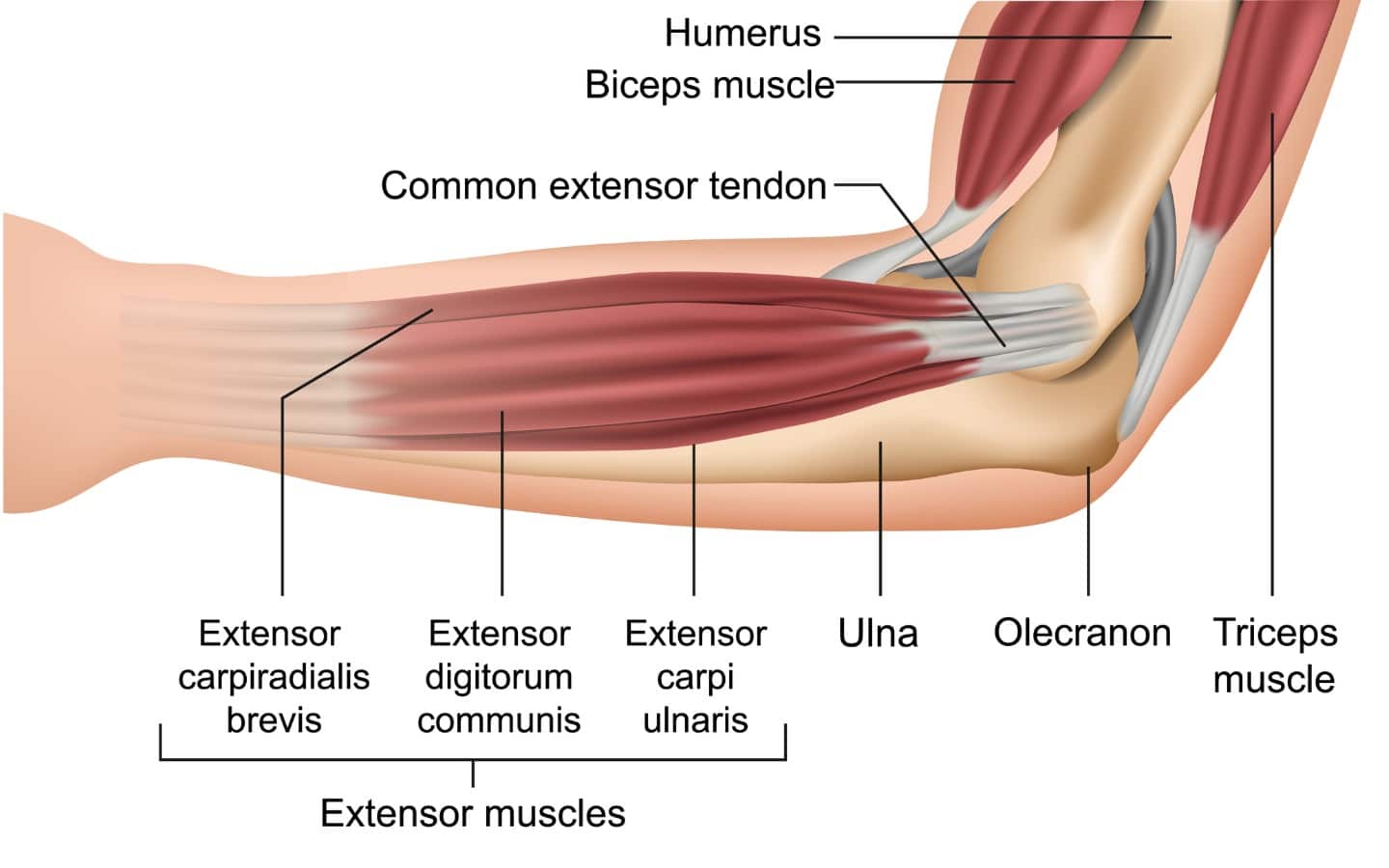
Tennis Elbow refers to an irritation of a tendon attached at the thumb-side (or ‘lateral’) edge of your elbow. Interestingly, participation in tennis is not necessarily a primary risk factor...